
Más allá de una duda razonable


Language


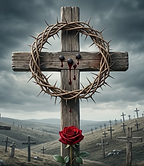


The True Gospel
e


The spiritual path begins with a direct call from Yeshua: “Repent, for the kingdom of heaven is at hand.” This imperative is the doorway to salvation—a foundational, inward shift away from sin and a fallen world, and a redirection of the heart toward the sovereign authority of God.
-
Matthew 4:17 — “From that time Jesus began to preach, and to say, ‘Repent: for the kingdom of heaven is at hand.’”
-
Mark 1:15 — “And saying, ‘The time is fulfilled, and the kingdom of God is at hand: repent ye, and believe the gospel.’”
2. The Doorway: Water Baptism and the Holy Spirit
Following the resurrection and ascension of Yeshua, Peter declared the active steps of covenant entry at Pentecost: turning in repentance, being buried with Messiah in baptism, and receiving divine empowerment through the Spirit.
-
Acts 2:38 — “Then Peter said unto them, ‘Repent, and be baptized every one of you in the name of Jesus Christ for the remission of sins, and ye shall receive the gift of the Holy Ghost.’”
-
John 3:5 — “Jesus answered, ‘Verily, verily, I say unto thee, Except a man be born of water and of the Spirit, he cannot enter into the kingdom of God.’”
3. The Blood: Grafted into the Commonwealth of Israel
By the blood shed on the tree, the dividing wall of hostility was torn down. Nations once alienated from the promises and covenants are brought near and grafted as wild olive branches into the root of Israel.
-
Ephesians 2:12–13 — “That at that time ye were without Christ, being aliens from the commonwealth of Israel, and strangers from the covenants of promise, having no hope, and without God in the world: But now in Yesgua messiah ye who sometimes were far off are made nigh by the blood of Christ.”
-
Romans 11:17 — “And if some of the branches be broken off, and thou, being a wild olive tree, wert graffed in among them, and with them partakest of the root and fatness of the olive tree.”
4. The Commission: Gathering Others into the Harvest
Salvation is not walked in isolation; a grafted branch bears fruit. Believers are commanded to act as fishers of men and ambassadors, working to gather the lost into the Father’s house before the end.
-
Matthew 28:19–20 — “Go ye therefore, and teach all nations, baptizing them in the name of the Father, and of the Son, and of the Holy Ghost: Teaching them to observe all things whatsoever I have commanded you.”
-
Matthew 9:37–38 — “Then saith he unto his disciples, ‘The harvest truly is plenteous, but the labourers are few; Pray ye therefore the Lord of the harvest, that he will send forth labourers into his harvest.’”
-
Luke 14:23 — “And the lord said unto the servant, ‘Go out into the highways and hedges, and compel them to come in, that my house may be filled.’”
5. The Perseverance: Holding Fast Until the End
The culmination of salvation requires endurance through trials, testing, and persecution. The promise of the eternal crown belongs to those who do not turn back.
-
Matthew 24:13 — “But he that shall endure unto the end, the same shall be saved.”
-
Hebrews 10:35–36 — “Cast not away therefore your confidence, which hath great recompence of reward. For ye have need of patience, that, after ye have done the will of God, ye might receive the promise.”
-
Revelation 2:25–26 — “But that which ye have already hold fast till I come. And he that overcometh, and keepeth my works unto the end, to him will I give power over the nations.”
el verdadero evangelio
En ninguna parte de las Escrituras Yeshua dice que el evangelio se trata de que Él venga a morir por nuestros pecados.
¿Qué predicó Yeshua?
Muchos se sorprenderían al descubrir que la Biblia define el evangelio de manera diferente a lo que siempre se les ha dicho. Una lectura minuciosa muestra que aceptar la sangre de Cristo como pago por nuestros pecados, tan fundamental como es, en realidad no es el enfoque de las "buenas nuevas" que Él trajo y que los apóstoles continuaron predicando. Además de morir por nuestros pecados, Yeshua vino a la tierra como mensajero de Yehovah el Padre:
La buena noticia es que Yehovah ordenó a Yeshua para anunciar la venida de Su reino aquí en la tierra.
-
Juan 8:38 Yo hablo de lo que he visto con mi Padre, y ustedes hacen lo que han oído de su padre.”
-
Juan 12:49-50 Porque no he hablado por mi propia cuenta, sino que el Padre que me envió me ha dado un mandamiento: qué decir y qué hablar. 50 Y sé que su mandamiento es vida eterna. Lo que digo, por tanto, lo digo como el Padre me lo ha dicho”.
-
Juan 14:24 El que no me ama, no guarda mis palabras. Y la palabra que oís no es mía sino de los Padres que me enviaron.
-
Lucas 4:43 Yeshua les dijo: "Debo predicar el reino de Yehovah a los
también a otras ciudades, porque para esto he sido enviado”.
Si bien Yeshua fue categóricamente el individuo más importante que jamás haya caminado sobre esta tierra, la Biblia muestra claramente que el evangelio que trajo Yeshua no se trataba simplemente de Él mismo. Lee sus declaraciones y comprueba esto por ti mismo:
-
Mateo 9:35 Yeshua recorría todos los pueblos y aldeas, enseñando en las sinagogas de ellos, predicando el evangelio del reino, y sanando toda enfermedad y dolencia. 36 Al ver las multitudes, se compadeció de ellas, porque estaban afligidas y desvalidas como ovejas sin pastor.…
-
Marcos 1:14-15 Después que Juan fue encarcelado, Yeshua vino a Galilea predicando
el evangelio del reino de Dios, y diciendo: "El tiempo se ha cumplido, y el reino de Dios se ha acercado. Convertíos, y creed en el evangelio".
43
-
Lucas 8:1 Aconteció después, que Jesús recorrió toda ciudad y aldea, predicando y anunciando las buenas nuevas [evangelio] del reino de Dios.
-
Lucas 16:16 La ley y los profetas eran hasta Juan. Desde entonces se anuncia el reino de Dios, y todos se esfuerzan por llegar a él.
-
Mateo 24:14 Y más fácil es que pasen el cielo y la tierra, que se frustre una tilde de la ley. Y será predicado este evangelio del reino en todo el mundo, para testimonio a todas las naciones, y entonces vendrá el fin.
El anuncio de las "buenas noticias"—las mejores noticias que se pueden escuchar hoy—que el Padre dio a través de Yeshua, fue sobre el establecimiento de Su Reino en la tierra. ¿Qué es un reino?
Es esencialmente una nación, con todos sus ciudadanos, tierras y leyes, gobernada por un gobierno. En el uso bíblico, un reino también puede significar una familia de un solo padre que se convierte en una nación.
Un reino tiene cuatro elementos básicos:
-
un rey, gobernante supremo o agente gobernante;
-
territorio, con su ubicación específica y límites definidos;
-
súbditos o ciudadanos dentro de esa jurisdicción territorial;
-
y leyes y una forma de gobierno a través de la cual se ejerce la voluntad del gobernante. Si ignoramos cualquiera de estos elementos esenciales, si ignoramos el mensaje que Yeshua trajo del Padre, tendremos una fe distorsionada, una que no traerá salvación.
¿Quién será el rey?
No puede haber duda de que el Rey del Reino de Dios será Yeshua. Aunque no ejerció ninguna autoridad civil mientras estuvo en la tierra, cuando regrese, será "Rey de reyes y Señor de señores" I Timoteo 6:15; Apocalipsis 19:16; 17:14).
Otros profetas también predijeron la venida de un rey, no solo de Israel y Judá, sino que también se extendería al mundo entero. Isaías nos dice:
Porque un Niño nos es nacido, un Hijo nos es dado; y el principado estará sobre su hombro. Y se llamará su nombre Admirable, Consejero, Dios Fuerte, Padre Eterno, Príncipe de Paz. Lo dilatado de su imperio y la paz no tendrán límite, sobre el trono de David y sobre su reino, disponiéndolo y confirmándolo en juicio y justicia desde ahora y para siempre. El celo de Jehová de los ejércitos hará esto. (Isaías 9:6-7)
¿Dónde se establecerá el Reino? Una falsedad dominante que Satanás ha impuesto a la humanidad es la creencia de que el alma de uno va al cielo después de la muerte. Mucha gente asume que la frase Reino de Dios es sinónimo de cielo, pero la Biblia enseña que cuando Yeshua regrese, ¡el Reino de Dios se establecerá en la tierra!
Primero, observe cómo la Biblia refuta por completo la noción de "ir al cielo" después de la muerte. Pedro le dice a la multitud en el día de Pentecostés: "Varones hermanos, permitidme hablaros francamente del patriarca David, que está muerto y sepultado, y su sepulcro está con nosotros hasta el día de hoy...
.. Porque David no subió a los cielos" (Hechos 2:29, 34). ¡Este "hombre conforme al corazón de Dios" no está en el cielo, sino en la tumba! Nuestro Salvador confirma esto en
-
Juan 3:13: "Nadie subió al cielo sino el que descendió del cielo, es decir, el Hijo del hombre que está en el cielo".
-
Eclesiastés 9:5,10 Tanto los santos muertos del Antiguo como del Nuevo Testamento están durmiendo en sus tumbas, esperando la resurrección, sin conciencia.
-
Job 14:14-15 Job describe la espera de la resurrección de esta manera: "Si el hombre muriere, ¿volverá a vivir? Todos los días de mi duro servicio esperaré, hasta que venga mi cambio. Tú llamarás, y yo responderte.
-
Apocalipsis 5:10, "¡Y los has hecho un reino (raza real) y sacerdotes para nuestro Dios, y reinarán sobre la tierra!"
-
Apocalipsis 11:15 Entonces el séptimo ángel tocó la trompeta: Y hubo grandes voces en el cielo, que decían; "¡Los reinos de este mundo se han convertido en los reinos de nuestro Yehovah y de Su Hijo, y Él reinará por los siglos de los siglos!"
-
Apocalipsis 21:21. Y vi un cielo nuevo y una tierra nueva, porque el primer cielo y la primera tierra habían pasado. Además no había más mar. Entonces yo, Juan, vi la ciudad santa, la Nueva Jerusalén, que descendía del cielo, de Dios, dispuesta como una novia ataviada para su marido. Y oí una gran voz del cielo que decía: "He aquí, el tabernáculo de Dios está con los hombres, y él morará con ellos, y ellos serán su pueblo. Dios mismo estará con ellos y será su Dios. Y Dios borrará quita toda lágrima de sus ojos, no habrá más muerte, ni llanto, ni llanto, no habrá más dolor, porque las primeras cosas han pasado.
…
-
Apocalipsis 21:1 El que venciere heredará todas las cosas, y yo seré su Dios y él será mi hijo". ¿Quiénes son los súbditos y ciudadanos del Reino? Aunque el mundo entero será gobernado por Yeshua cuando establezca el Reino en tierra, no todos en la tierra serán ciudadanos de ese Reino, todos estarán sujetos al Rey de reyes, pero no todos habrán entrado en ese Reino espiritual.
-
Juan 3:3 Yeshua reveló esta verdad a Nicodemo. Cuando Nicodemo vino a Él por la noche, Yeshua le dijo: "De cierto, de cierto te digo, que el que no naciere de nuevo, no puede ver el reino de Dios".
-
1 Corintios 15:50. Pablo les dijo a los corintios que "la carne y la sangre [humanos mortales] no pueden heredar el reino de Dios, ni la corrupción hereda la incorrupción" Aunque tenemos un cuerpo físico de carne y sangre, podemos ser herederos del Reino, pero no podemos entrar plenamente en el Reino, ni podemos verlo, hasta que nos convertimos en espíritu, dado un cuerpo glorioso compuesto de espíritu en la resurrección.
Esto significa que, aunque toda la humanidad estará sujeta al Reino que Yeshua gobernará en la tierra, no necesariamente serán parte de él.
Mateo 25:31-34 Cuando el Hijo del hombre venga en su gloria, y todos los santos ángeles con él, entonces se sentará en el trono de su gloria. Serán reunidas delante de Él todas las naciones, y Él apartará a los unos de los otros, como aparta el pastor las ovejas de los cabritos. Y pondrá las ovejas a su mano derecha, pero los cabritos a la izquierda. Entonces el Rey dirá a los de su derecha: "Venid, benditos de mi Padre, heredad el reino preparado para vosotros desde la fundación del mundo". El Reino de Dios, entonces, será gobernado por Yeshua, y será heredado por aquellos que hayan sido glorificados al resucitar de entre los muertos. Los santos resucitados, ciudadanos del Reino de Dios, gobernarán junto con
Yeshua sobre los demás pueblos de la tierra (Daniel 7:27; II Timoteo 2:12; Apocalipsis 2:26-28; 5:9-10; 20:4-6; 22:5). ¿Cuáles son las Leyes del Reino?
-
Jueces 21:25. El derecho es simplemente una guía a seguir por las personas para asegurar la cohesión, el acuerdo y la paz en las relaciones civiles e interpersonales. Sin un estándar entendido, impuesto por un gobernante soberano, todos actuarían de acuerdo a su propio capricho o deseo, y no se produciría nada bueno o que valiera la pena. El Reino de Dios no es diferente.
-
I Corintios 14:33 Dios no es autor de confusión. Su Reino será pacífico y ordenado porque todos los que entren en él se habrán sometido voluntariamente a la ley - los mandamientos - de Dios. Dios no aceptará a nadie en Su Reino que demuestre, por el patrón de su vida, que no le obedecerá.
-
(Mateo 7:21-23; Hebreos 10:26-31). Apocalipsis 12:17 describe a los santos como aquellos "que guardan los mandamientos de Dios y tienen el testimonio de Yeshua.
Estas dos declaraciones, amar a Dios y amar al prójimo como a uno mismo, resumen los primeros cuatro y los últimos seis mandamientos, respectivamente. Los mandamientos simplemente definen más cómo amar a Dios y amar al hombre. Amamos a Dios en general al ponerlo en primer lugar, al no adoptar ayudas físicas para adorarlo, al no llevar Su nombre en vano y al santificar el sábado del séptimo día. Amamos al hombre, en general, honrando a nuestros padres, no matando, no cometiendo adulterio, no robando, no mintiendo y no codiciando.
-
Juan 14:15 "Si me amáis, guardad mis mandamientos. El que tiene mis mandamientos y los guarda, ése es el que me ama. Y el que me ama, será amado por mi Padre, y yo le amaré y manifestaré yo mismo para él". El que me ama, mi palabra guardará; y mi Padre le amará, y vendremos a él, y haremos morada con él. El que no me ama, no guarda mis palabras, y la palabra que oís no es mío, sino de los Padres que me enviaron".
The Gospel (in Hebrew, the Besorah—"good news") that Yeshua (Jesus) personally preached is summarized in Mark 1:14–15:
"Now after John was put in prison, Yeshua came to Galilee, preaching the gospel of the kingdom of God, and saying, 'The time is fulfilled, and the kingdom of God is at hand. Repent, and believe in the gospel.'"
While modern ears often hear "the gospel" defined exclusively as the mechanics of individual salvation (how to go to heaven when you die), Yeshua’s proclamation was broader, deeper, and grounded in the Hebrew Scriptures: the Gospel of the Kingdom of God (Besorat HaMalkhut).
He announced that the sovereign rule, authority, and covenant reign of the Creator had broken directly into this fallen world through the King Himself.
1. "The Time is Fulfilled" (Prophetic Arrival)
When Yeshua said the time was fulfilled, He was speaking to a nation longing for deliverance. The prophecies of Daniel (the timeline of Daniel 9 and the stone that crushes the kingdoms of the world in Daniel 2) and Isaiah were reaching their climax.
In Luke 4:18–19, He opened the scroll of Isaiah 61 in the Nazareth synagogue to define His mandate:
-
Preaching good tidings to the poor and humble.
-
Healing the brokenhearted.
-
Proclaiming liberty to the captives and the opening of prison to those who are bound.
-
Proclaiming the acceptable year of the Lord (the ultimate Jubilee release from sin and debt).
-
2. "The Kingdom of God is at Hand" (The Core Proclamation)
Yeshua did not preach an abstract philosophy; He preached an active government and reign:
-
Sovereignty over the Kingdom of Darkness: Every time Yeshua cast out a demon, healed incurable diseases, or raised the dead, He was demonstrating that Satan’s usurpation of the earth was being overthrown. "If I cast out demons by the finger of God, surely the kingdom of God has come upon you" (Luke 11:20).
-
The Nature of the King’s Reign: His kingdom was not of this worldly system—it did not advance through political intrigue, violence, or human armies (John 18:36). Instead, it advanced through truth, sacrificial love, humility, and righteousness.
-
Present and Future: The Kingdom is already here in the hearts and walk of those who submit to the King, and it is yet to come in its physical, global fullness when the King returns to establish His reign in Jerusalem (Zechariah 14; Revelation 11:15).
-
3. "Repent" (Teshuvah — A Complete Return)
To enter this Kingdom, the requirement was not a passive intellectual nod, but Teshuvah—a radical turning around:
-
Turning from Self-Rule to God's Rule: Repentance means laying down rebellion, secular autonomy, and false religious pretenses.
-
Internalizing the Commandments: In the Sermon on the Mount (Matthew 5–7), Yeshua explained the constitution of the Kingdom. He made it clear that He did not come to abolish the Law or the Prophets, but to fill them to the full (Matthew 5:17). Kingdom repentance goes beyond external legalism to the motives of the heart—eradicating lust, hatred, pride, and greed.
-
Fruit of Repentance: Just as John the Baptist warned, Yeshua taught that true repentance always bears observable, righteous fruit (Matthew 7:16–21).
-
4. "Believe in the Good News" (Covenant Faith & Allegiance)
In the biblical mindset, "belief" (emunah) is not merely agreeing that God exists; it is active loyalty, trust, and obedience to the King:
-
Trusting the Father’s Provision: Ceasing to worry about food, drink, and clothing like the nations do, but rather "seeking first the kingdom of God and His righteousness, and all these things shall be added to you" (Matthew 6:33).
-
Trusting the Sacrifice of the Son: Yeshua taught that He came "not to be served, but to serve, and to give His life a ransom for many" (Mark 10:45). The Good News is that the King took the curse of our disobedience upon Himself at Passover, shedding His blood to ratify the New Covenant (Matthew 26:28).
-
Victory Over the Grave: Yeshua promised that whoever hears His word and believes Him who sent Him has passed from death into life (John 5:24), anchored by His own resurrection as the firstfruits from the dead.
-
5. Summary: What Entering the Gospel Requires
In Yeshua's own words, walking in the Gospel means:
-
Denying Self: "If anyone desires to come after Me, let him deny himself, and take up his cross daily, and follow Me" (Luke 9:23).
-
Obeying the Father's Will: "Not everyone who says to Me, 'Lord, Lord,' shall enter the kingdom of heaven, but he who does the will of My Father in heaven" (Matthew 7:21).
-
Loving God and Neighbor: Loving the Lord with all your heart, soul, mind, and strength, and loving your neighbor as yourself (Mark 12:29–31).
-
Proclaiming the Kingdom to All Nations: "And this gospel of the kingdom will be preached in all the world as a witness to all the nations, and then the end will come" (Matthew 24:14).
In short, the Gospel Yeshua taught is the royal proclamation that God’s reign has arrived in His Messiah, calling every human heart to turn away from sin, enter covenant peace with the Father through the Son, and live as an obedient citizen of His eternal Kingdom.
In ancient kingdoms, when a king ascended his throne, he issued a royal charter or legal code declaring how his realm would be governed and what was expected of his subjects. In Matthew 5–7, Yeshua goes up on a mountain—echoing Moses ascending Mount Sinai—sits down in the posture of a reigning king and teacher, and delivers the manifesto of His newly inaugurated reign.
The Sermon on the Mount is not an impractical, idealistic philosophy, nor is it a checklist to earn salvation. It is the living, practical constitution of the Kingdom of God, dictating the character, inner motives, ethics, and daily allegiance required of every citizen walking under Messiah's rule.
1. The Preamble: The Citizen’s Internal Disposition (The Beatitudes)
Any national constitution opens with foundational values. Earthly empires prize military conquest, political clout, wealth, and self-assertion. Yeshua begins His charter (Matthew 5:3–12) by turning the world's value system completely upside down:
-
Poor in Spirit: Recognizing total spiritual bankruptcy and utter dependence on the King.
-
Mourning: Grieving over personal sin and the brokenness of a fallen world.
-
Meekness: Possessing harnessed strength, patience, and humility rather than violent ambition.
-
Hunger for Righteousness: Longing for God’s righteous order to prevail more than craving food or physical comfort.
-
Mercy and Purity of Heart: Extending forgiveness and maintaining undivided, uncorrupted loyalty to God.
-
Peacemaking: Actively reconciling estranged parties, reflecting the character of the Father.
These are not separate groups of people receiving different rewards; together, they describe the temperament of the citizen who has laid down self-rule.
2. The Citizen’s Public Office: Salt and Light
Citizens of the Kingdom do not live in isolationist enclaves; they are embedded directly into a decaying and dark culture (Matthew 5:13–16):
-
Salt of the Earth: In antiquity, salt was a preservative that arrested rot and decay. Kingdom citizens preserve truth, hold back moral corruption, and bring spiritual flavor to the societies they inhabit.
-
Light of the World: Light exposes danger and guides the traveler. Believers do not hide their allegiance to the King; their visible, tangible good works shine so that observers give glory directly to the Father.
-
3. The Legal Standard: Fulfilling and Internalizing the Law
In Matthew 5:17–20, Yeshua establishes the legal framework of His government, dispelling any thought of lawlessness or anarchy:
"Do not think that I came to destroy the Law or the Prophets. I did not come to destroy but to fulfill. For assuredly, I say to you, till heaven and earth pass away, one jot or one tittle will by no means pass from the law till all is fulfilled."
To "fulfill" (pleroo) in Hebrew thought means to bring the law to its fullest intended meaning and expression, not to abolish it. Yeshua contrasts the superficial, external legalism of the religious establishment with the King’s internal standard. Through a series of six antitheses ("You have heard that it was said... but I say to you"), He shows that the King's law governs the thoughts and desires before an act is ever committed:
-
Murder vs. Contempt: It is not enough to refrain from physical murder; harboring bitter anger, resentment, or hurling venomous insults (Raca) makes one liable to judgment (5:21–26).
-
Adultery vs. Lust: Purity is not just refraining from physical unfaithfulness; looking with covetous intent is adultery in the heart (5:27–30).
-
Oaths vs. Total Integrity: Citizens do not need elaborate religious oaths or legal loopholes to verify their truthfulness; their word is their bond—their "Yes" means yes, and their "No" means no (5:33–37).
-
Retaliation vs. Sacrificial Generosity: Rather than demanding immediate vengeance ("an eye for an eye"), citizens yield personal rights, go the extra mile, and overcome evil with good (5:38–42).
-
Love for Enemies: The ultimate test of Kingdom citizenship is reflecting the Father’s indiscriminate benevolence—praying for persecutors and blessing those who curse you (5:43–48).
-
4. Public Duty & Worship: Sincerity Over Religious Theater
In Matthew 6, Yeshua regulates the three primary pillars of personal religious duty: giving, prayer, and fasting. In earthly systems, piety is often weaponized for social prestige. In the Kingdom, performance art is condemned:
-
Secret Giving (Alms): Giving to the needy without sounding a trumpet or announcing tax write-offs; the left hand does not know what the right is doing.
-
Secret Prayer: Communing behind closed doors with the Father, rather than reciting vain, repetitive words to impress bystanders. He provides the Model Prayer (the Lord's Prayer), teaching citizens to align their desires with the Father’s name, His kingdom coming, and His will being done on earth.
-
Secret Fasting: Anointing the head and washing the face so that the physical affliction of fasting is unseen by men, directed only to the Father who sees in secret.
-
5. The Economic System: Trust, Not Striving
Every kingdom has an economy. The economy of the world is driven by fear, scarcity, hoarding, and status anxiety. The Kingdom of God operates on radical faith in divine provision (Matthew 6:19–34):
-
Currency: True wealth is not stored in physical barns, bank vaults, or commodities where moth and rust destroy; it is stored in heaven through generous, righteous living.
-
Singular Focus: A servant cannot serve two masters. You cannot pledge allegiance to the Creator while serving Mammon (wealth/money).
-
Freedom from Worry: Citizens do not sweat and panic over daily bread or clothing like the pagans do. The King feeds the birds of the air and clothes the lilies of the field. The citizen's sole operational directive is:
"Seek first the kingdom of God and His righteousness, and all these things shall be added to you." (Matthew 6:33)
6. Relational Protocol: Righteous Discernment Without Self-Righteous Condemnation
In Matthew 7:1–12, Yeshua sets the rules for how citizens treat one another:
-
The Spec and the Log: Before attempting to perform delicate eye surgery on a brother’s fault, remove the massive log of blind self-righteousness from your own eye.
-
Holy Discernment: While judgment is warned against, discernment is commanded—do not cast pearls before swine or give what is sacred to dogs.
-
Persistent Petitions: Keep asking, seeking, and knocking, trusting that the Father gives good gifts to His children.
-
The Royal Rule (The Golden Rule): "Whatever you want men to do to you, do also to them, for this is the Law and the Prophets." (Matthew 7:12)
-
7. The Ratification: Hearing vs. Doing
A constitution is useless if it is merely read and debated rather than obeyed. Yeshua concludes His address with four sobering warnings demanding personal allegiance:
-
Two Gates: The wide, crowded gate leading to destruction versus the narrow, difficult gate leading to life (7:13–14).
-
Two Trees: True prophets and false prophets, known not by their charisma or titles, but by their actual fruit (7:15–20).
-
Two Confessions: Warning that crying "Lord, Lord" or performing signs in His name is worthless if one practices lawlessness (anomia). Only those who do the will of the Father will enter (7:21–23).
-
Two Foundations: The sermon ends with a dramatic builder’s test. The person who hears these words and builds on them is a wise man who digs deep and anchors his house on the solid bedrock. When the storms, floods, and winds beat against that life, it stands firm. The person who hears and does not obey builds on shifting sand—and great is the fall of it (7:24–27).
-
When Yeshua concluded, the crowds were astonished. He did not quote human traditions or cite precedent like the scribes; He spoke as the Lawgiver and King Himself, laying down the permanent, unalterable rule of life for all who call Him Lord.